
How to Identify and Resolve Water Damage On Your South Carolina Property
According to the National Association of Insurance Commissioners, more than half of all homeowners’ insurance claims nationwide are for water-related issues.
Typically, water damage can occur in one of two ways, as Ernest Hemingway famously put it, “Gradually and then suddenly.”
Residents of Upstate South Carolina are no strangers to periodic flooding from tropical storms and hurricanes that sweep through the area. However, you’re just as likely to experience water damage at some point in your homeownership from a leaky or burst pipe or a damaged appliance.
Whether you’re experiencing water damage from a slow leak in your basement or a flood that has ripped through your home, it’s important to act quickly and spot the signs of water damage before it spreads.
Our expert technicians at Palmetto State Restorations would like to share some tips to help you identify water damage and the steps to take to mitigate water damage and restore your property before catastrophic damage occurs.
Common Causes of Water Damage in South Carolina
Understanding what leads to water damage in your home or business can help you prevent it and mitigate future damage. In Upstate South Carolina, there are many common causes that our technicians respond to on a weekly basis, including:
- Heavy Rain and Flash Flooding: Seasonal storms from tropical storms and hurricanes can quickly overwhelm drainage systems.
- Roof Leaks: Hail and wind can damage shingles, allowing rainwater to seep in the attic and damage ceilings.
- Plumbing Failures: Burst pipes, clogged drains, or faulty water heaters are common sources of hidden leaks that can occur behind walls and quickly build if untreated.
- Poor Foundation Drainage: Improper grading or missing gutters can direct water toward your foundation, especially during heavy rain, which can flood your basement.
- Humidity and Condensation: In our humid climate, trapped moisture in crawl spaces or attics can lead to long-term water damage and mold growth.
What Does Water Damage Look Like
When most people think of water damage, they think of standing water and discolored drywall. However, water damage can manifest itself in many forms, especially if it forms gradually, including:
1. Discolored or Stained Walls and Ceilings
Brown or yellow stains usually indicate a roof or plumbing leak. Pay close attention to corners and areas near plumbing fixtures.
You may even notice cracks or bubbles start to form, which could indicate significant moisture intrusion in these areas.
2. Peeling Paint or Bubbling Drywall
These are classic signs that moisture is trapped behind the surface, often from an internal leak or persistent condensation.
3. Warped or Buckled Flooring
Water beneath hardwood or laminate floors can cause them to lift or warp. Tiles may loosen, and carpets may feel spongy or smell musty.
4. Musty Odors
Even without visible damage, a persistent musty smell is often the first sign of water intrusion and mold growth, especially in basements or crawl spaces. Mold should always be inspected to determine if it is toxic and remediated if toxic mold spores are found.
5. Visible Mold
Mold growing on walls, ceilings, or even furniture is a surefire sign that water damage has already occurred and moisture remains.
6. Unexplained Increases in Your Water Bill
If your water bill suddenly spikes and you haven’t changed your usage, it may point to a hidden leak.
How Long Does Water Damage Take to Show
Water damage can manifest itself in as little as a few minutes to a couple of days, depending on the cause and extent of the damage.
Extreme cases of water damage from flooding or a burst pipe will be immediately noticeable as large pools of standing water or protruding drywall will become visible.
However, small leaks may take anywhere from a few hours to several days to show many of the signs above. Often, discoloration is the first sign, followed by a musty odor and visible mold growth in more advanced stages.
Dangers of Letting Water Damage Sit
Delaying water damage repairs — even by a few days — can drastically increase repair costs and risks to your health. In humid states like South Carolina, mold can begin forming within 24–48 hours after exposure. After just one week, the damage can extend to your property’s structure, leading to:
- Warped framing and floors
- Crumbling drywall
- Rotting wood and insulation
- Black mold growth
- Electrical hazards
Generally, the longer you wait to repair or mitigate the issue, the more extensive and expensive the fix becomes.
What Are My Water Damage Repair Options
Water restoration and repair will depend significantly on the extent of the water damage, its cause, and the time elapsed before action is taken. Here are a few options available based on the level of water damage present in your home.
DIY Repairs
For minor water damage, such as a small leak or a damaged appliance, homeowners can mitigate and repair any issues by acting quickly. Be sure to stop the source of the leak immediately and dry the affected area thoroughly.
A large-capacity dehumidifier is recommended to dry out any joists or studs that may have been affected by the moisture intrusion.
Hiring a Contractor
Once the area is dry, you will need to remove and replace any building materials that the water has damaged. In many cases, porous materials, such as unfinished wood should be replaced, as well as any stained or bubbling drywall, buckling floors, or cracked joists.
In some cases, a portion of the damaged drywall or ceiling can be replaced, but in more extreme cases where the structure is no longer intact, the entire structure should be replaced.
Water Restoration Services
For moderate to severe water damage, hiring water restoration services is necessary. This includes instances of flooding due to a natural disaster or burst pipe, or water damage that includes grey water or black water (i.e., contaminated water).
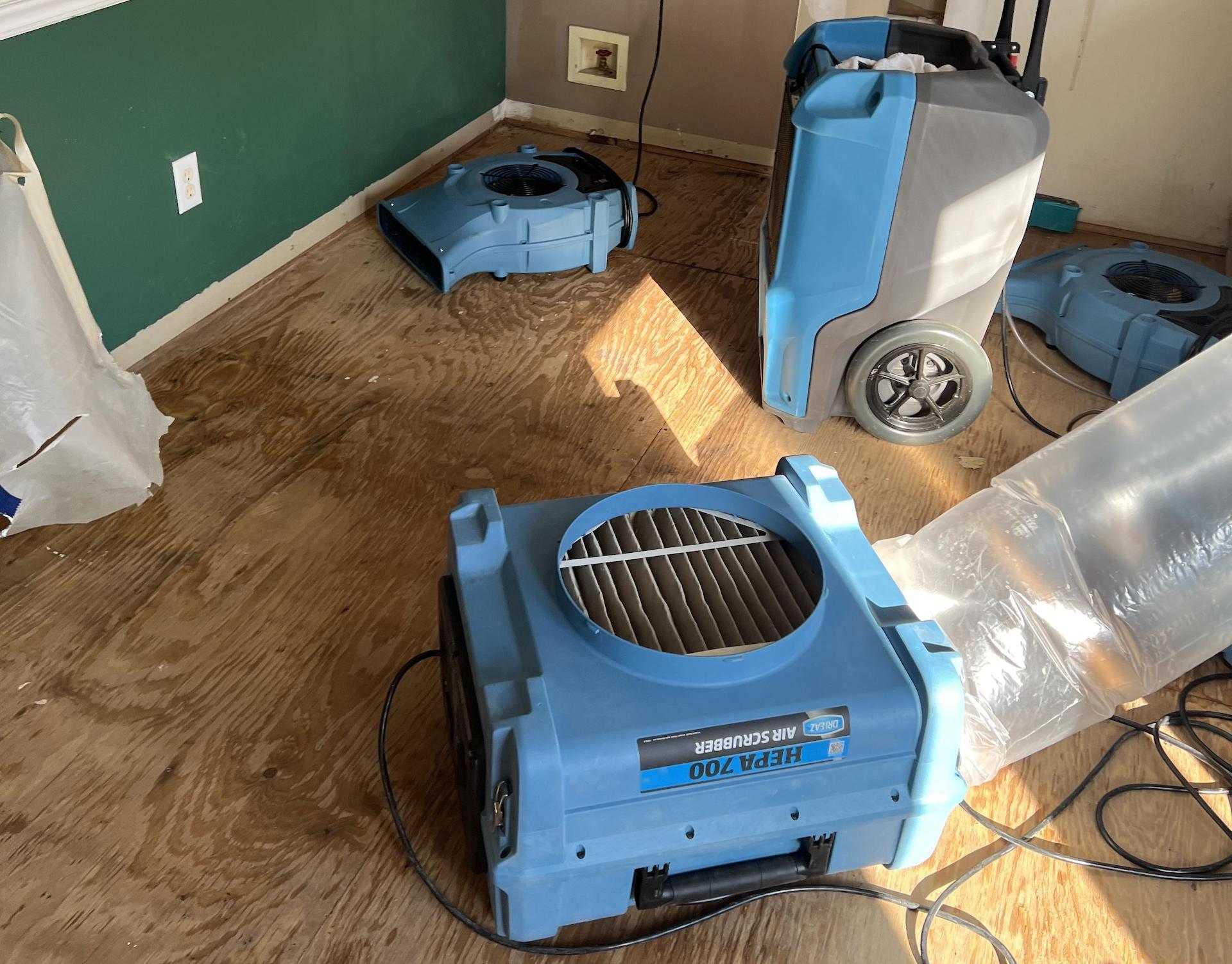
These companies utilize industrial products, such as circulating fans and large-capacity dehumidifiers, which can help clear any standing water and dry the affected area in a short time.
In addition to mitigating water damage to your home, a water restoration company can also prevent and reduce mold growth, as well as assist with repairs.
Insurance Coverage
For sudden and accidental water damage caused by a burst pipe, leak, or damaged appliance, you can contact your insurance carrier to cover the cost of repairs and restoration.
Water damage related to flooding or weather-related events typically requires a separate policy, such as flood insurance, to cover the costs of repairs to the dwelling and your personal property.
Fortunately, water restoration companies like Palmetto State Restorations will contact your insurance company on your behalf to file and handle a claim.
For more information about water restoration services, their costs, and how they can address water damage in your South Carolina home, contact the expert technicians at Palmetto State Restorations. We have staff on standby, ready to take your call.
FAQs
Can I clean up the water damage myself?
Minor spills may be manageable, but any leak larger than a small one should be inspected by professionals. Mold and moisture trapped behind walls require commercial-grade drying.
How long does the drying process take?
Most properties take between 3 to 5 days to dry completely, depending on the extent of the water damage and indoor humidity levels.
Is water damage covered by my insurance?
In most cases, insurance covers sudden water damage, such as a burst pipe or appliance failure. Gradual leaks or floodwater from outside typically require additional coverage.


7 Steps to Fix Significant Water Damage to Your South Carolina Home
Recreational water sports are a big part of Upstate South Carolina culture, as the nearby lakes, rivers, and reservoirs provide endless entertainment and recreation to the nearby residents.
However, one caveat of living in a subtropical climate near numerous freshwater lakes is the increased risk of flooding that can occur from tropical storms and hurricanes.
Water is an essential part of life, but it can quickly turn our lives upside down when it gets into our homes. Even leaks from pipes, broken appliances, and sewer lines can destroy floors and ceilings and cost you tens of thousands of dollars in repairs.
While dealing with water damage can be overwhelming, several options are available to help you recover from the mess and move forward, including professional water restoration services. If you find yourself dealing with significant water damage in your home, follow these step-by-step instructions to fix the damage.
1. Ensure Safety First
Before anything else, prioritize safety first. If there is standing water near electrical outlets or appliances, turn off the power at the breaker. If you're unsure if it’s safe to do so, leave the area and contact a professional water restoration company immediately.
Next, be cautious of potential structural issues. Water-damaged ceilings or walls can collapse, especially if they have soaked for more than a few hours. However, before you begin drying or removing any standing water, you will need to identify the type of water damage and its category.
2. Assess the Type of Water Damage
Unfortunately, water is an indiscriminate material that tends to collect anything along its path to your basement or home. In many cases, especially after a flood or an appliance leak, harmful chemical materials, like detergents, sewage backup, and dirt, can pool in the water and harm your health if you’re not careful.
Generally, professionals separate standing water into three different categories:
- Category 1 (Clean Water): Uncontaminated water, typically from rainwater, pipe leaks, or showers.
- Category 2 (Grey Water): Slightly contaminated water from broken appliances, septic systems, or sump pumps. This water needs to be disinfected immediately before removal or handling.
- Category 3 (Black Water): Seawater or fresh water that has been exposed to harmful materials like stucco, paint, or concrete that is highly toxic or contaminated. This water typically requires professional removal.
Once diagnosed, you can begin taking steps to mitigate and restore the affected parts of your property.
3. Stop the Source of the Water
Once the area is deemed safe, identify and stop the source of the water intrusion. In cases like a burst pipe, shut off the main water supply to the house. If the cause is external, such as flooding from a heavy rainstorm in South Carolina, you may need to wait for conditions to improve.
If you’re dealing with water damage from a hidden leak or saturation behind a wall or ceiling, you may need to call a professional to stop the leak and make a repair to the affected pipe.
4. Document Your Water Damage for Insurance
Before any repairs or restoration work is completed, we highly recommend you stop and document the damage for your insurance company. Many hazard insurance policies do cover water damage from a burst pipe or broken appliance that is considered “sudden and accidental.”
For natural disasters, such as flooding, a flood insurance policy is often required; however, in extreme cases, you may be eligible to seek relief from the Federal Emergency Management Agency (FEMA) or your state government.
5. Dry and Mitigate the Area
Now, it’s time to mitigate the damage and stop it from spreading to other parts of your home.
Begin by removing any standing water using a sump pump or shop vac until all standing water is removed. Be sure to dispose of the water a few feet away from your home’s foundation and into a drain pipe if possible.
Next, you’ll want to dry the area using dehumidifiers and recirculating air fans. In extreme cases, a large capacity dehumidifier will be necessary to dry out large areas affected by water damage.
While much of this is technically possible on your own, we highly recommend hiring a water restoration company, especially for large volumes of standing water.
6. Inspect for Mold
Unfortunately, mitigation is only the first step of water restoration, as water damage can have compounding effects across your entire home. One of the nastiest of these is the buildup of mold, which can cling to water-stained surfaces.
Mold typically develops within 24-48 hours and can spread through the air to other parts of the home. This is why we recommend professional mold inspections and remediation to prevent mold from spreading and to contain it to a single room.
Professionals have access to tools like moisture meters that can help identify potential sources of mold and prevent it from spreading. Investing early in these services will save you a significant amount of money in the long run.
7. Begin the Water Restoration Process
Now comes the truly difficult part. Picking up the pieces after water damage can be incredibly expensive and frustrating, but there are services available to help.
Follow these steps to initiate the water restoration process and restore your home to its original condition.
- Replace porous materials, such as wooden floors and fixtures, that may have absorbed water.
- Cut out and replace any sagging or damaged ceiling parts to prevent the ceiling from collapsing.
- Clean and disinfect any drywall or plaster to remove mold and prevent damage.
- Refinish any wooden surfaces that have been stained or damaged by water.
- Replace any drywall or wooden fixtures that have been significantly waterlogged.
Why Acting Quickly Matters in Cases to Mitigate Damage
In our warm, humid climate in South Carolina, water damage can escalate rapidly. Here are some of the consequences that you could experience from waiting too long to address water damage.
- Within 24 Hours: Mold spores begin to grow and spread, especially in porous materials like drywall, carpet, and insulation. The musty odor often sets in, and air quality begins to decline.
- Within 48–72 Hours: Wood structures may start to swell, warp, or crack. Drywall can soften and crumble. Bacteria and other pathogens from contaminated water can begin to multiply, increasing health risks.
- After 1 Week: Serious structural damage becomes likely. Mold colonies can spread throughout the home, and affected materials may require complete removal. At this stage, restoration becomes far more costly and time-intensive.
The last point is critical because the longer you wait to address water restoration, the more you will pay in professional services and the more likely your insurance claim will be denied.
Can I Clean and Repair Water Damage Myself?
While it’s technically possible to repair and restore minor water damage, significant water damage almost always requires a professional team to prevent mold, salvage building parts, and protect residents from hazardous materials.
Professional water restoration teams like Palmetto State Restorations will even file and handle insurance claims on your behalf to help offset a massive portion of your out-of-pocket costs. Furthermore, our team can help monitor rebuilding efforts and supervise subcontractors to ensure all repairs are done properly and to code.
For more information on water damage restoration in Upstate South Carolina, contact the team at Palmetto State Restorations for a free quote. We always have teams on standby to answer your call.
FAQs
How can I tell if water damage is serious?
If you see staining, warping, bubbling paint, or smell a musty odor, the damage may extend beyond what’s visible. Any area soaked for more than 24–48 hours likely needs professional assessment, especially in humid climates like South Carolina’s.
Does homeowners' insurance cover water damage repairs?
Most policies cover sudden or accidental damage (like burst pipes or appliance leaks). However, gradual issues or flood damage from rising water are usually not covered unless you have separate flood insurance. Check with your insurer or ask your restoration contractor to help file a claim.
How long does the water damage repair process take?
Drying typically takes 3 to 5 days. Full repairs — including drywall replacement, repainting, and flooring — may take 1 to 3 weeks, depending on the extent of the damage and how quickly work begins.